The Essential Guide to Commercial Airline Stretcher Services for Safe Medical Transport
Learn more about commercial airline stretcher and how it applies to your specific needs.
When a patient requires medical evacuation or long-distance transport, the logistics can be overwhelming. Family members often face the challenge of moving a loved one who is bedridden, post-surgery, or critically ill across provinces or countries. In such situations, a offers a practical and cost-effective solution. Unlike dedicated air ambulances, which are extremely expensive and limited in availability, commercial airlines can modify a section of the cabin to accommodate a stretcher, allowing the patient to travel on a scheduled flight with medical escorts. This service bridges the gap between emergency evacuation and regular travel, providing a dignified and safe journey for those with limited mobility.
Learn more about airline stretcher Canada and how it applies to your specific needs.
Understanding the nuances of arranging a stretcher on a commercial flight is crucial for healthcare professionals, medical travel coordinators, and families. The process involves careful planning, coordination with the airline’s medical desk, and compliance with strict safety regulations. This article explores every aspect of commercial airline stretcher services, from booking procedures and medical requirements to costs and benefits, with a special focus on services.
What Is a Commercial Airline Stretcher?
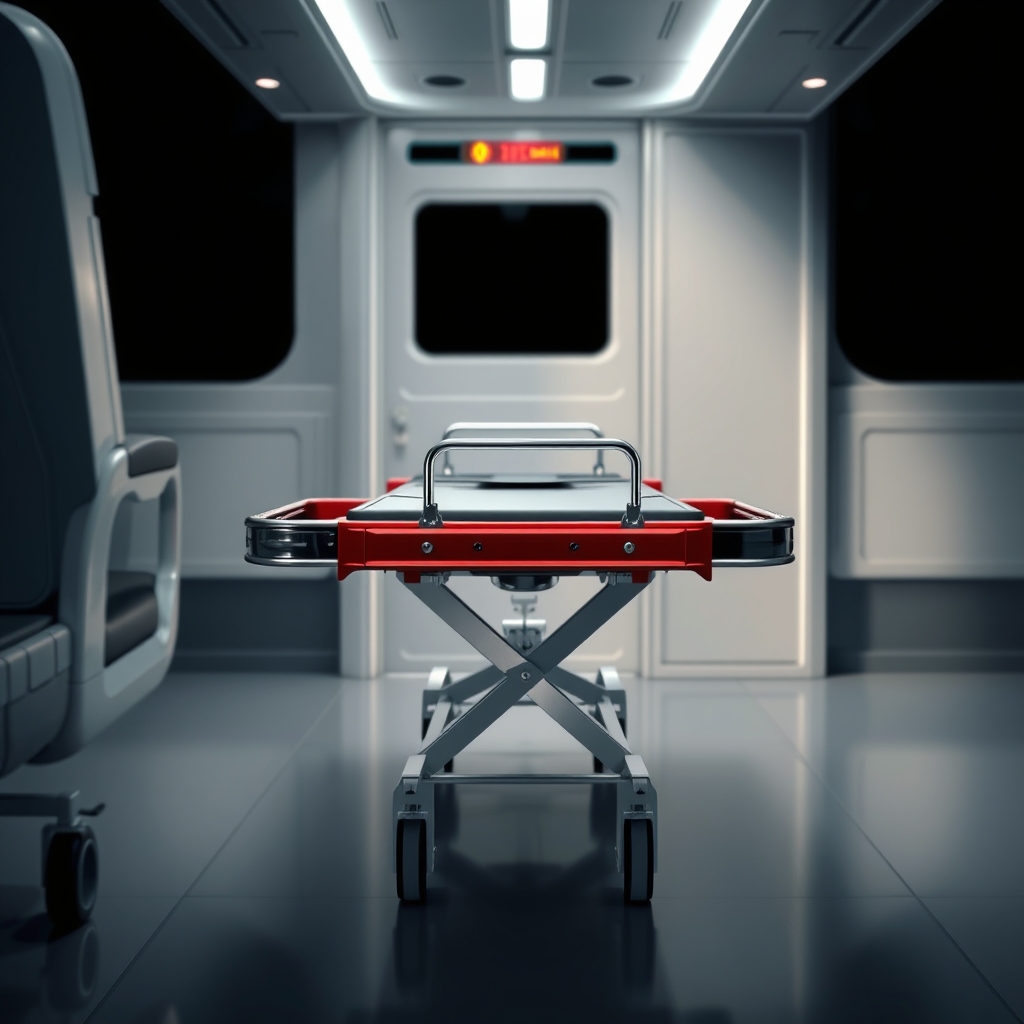
A commercial airline stretcher is a specially designed, lightweight stretcher that is secured to the floor of an aircraft cabin, typically in a row of seats that have been removed or reconfigured. The stretcher is anchored to the seat tracks using approved tie-downs, ensuring stability during takeoff, turbulence, and landing. The patient is placed on the stretcher and monitored by a medical escort—often a nurse, paramedic, or physician—who sits nearby. The airline allocates a specific area, usually in the forward or aft section, to minimize disturbance to other passengers and to allow quick access for the crew.
This service is available on many major airlines, including Air Canada, WestJet, Lufthansa, and Delta, but it requires advance booking—typically 48 to 72 hours before departure. The airline’s medical team reviews the patient’s condition to ensure that travel is safe and that the stretcher can be accommodated without compromising safety. For patients in Canada, providers work closely with hospitals and clinics to arrange seamless transfers from cities like Calgary and Edmonton to destinations across the country or internationally.
Who Needs a Commercial Airline Stretcher?
Commercial airline stretchers are designed for patients who cannot sit upright for the duration of a flight due to medical conditions. Typical candidates include individuals recovering from major surgery, those with spinal injuries, patients with severe respiratory issues requiring continuous oxygen, or individuals in a coma or semi-conscious state. The stretcher allows the patient to lie flat, which reduces pressure on the body and helps maintain stable vital signs.
For example, a patient who has undergone hip replacement surgery may not be able to sit for six hours due to pain and risk of dislocation. Similarly, a stroke survivor with limited mobility may need to remain supine to prevent blood pressure fluctuations. In these cases, via a commercial airline is a viable alternative to an expensive air ambulance, often costing a fraction of the price while still providing professional medical oversight.
How to Book a Commercial Airline Stretcher
Booking a stretcher on a commercial flight is not as simple as purchasing a regular ticket. It requires a multi-step process that involves the patient’s physician, the airline’s medical desk, and a medical escort agency. Here is a step-by-step overview:
Step 1: Medical Assessment
The patient’s doctor must complete a Medical Information Form (MEDIF) or a similar document provided by the airline. This form details the patient’s diagnosis, current condition, medications, and any special needs such as oxygen, suction, or IV fluids. The airline’s medical advisor reviews this information to approve or deny the request.
Step 2: Contact the Airline’s Special Assistance Department
Once the medical clearance is obtained, the travel coordinator contacts the airline’s special assistance desk to request a stretcher. The airline will check the aircraft type and seating configuration to determine if a stretcher can be installed. Some aircraft, such as the Boeing 777 or Airbus A330, have dedicated stretcher positions, while smaller regional jets may not.
Step 3: Arrange Medical Escort
Most airlines require a qualified medical escort to accompany the patient. The escort must have appropriate credentials and experience in in-flight medical care. Many families hire a specialized medical transport company that provides both the stretcher and the escort. For example, services often include stretcher transport on commercial flights, offering end-to-end coordination from hospital bed to destination.
Step 4: Confirm Logistics
The airline will reserve seats for the patient, the medical escort, and any accompanying family members. The stretcher is usually placed in a row of three or four seats that are blocked off. The patient’s ticket is often priced as a full-fare economy or business class ticket, plus an additional fee for the stretcher installation. The total cost can range from $2,000 to $10,000 depending on the route and airline.
Medical Equipment and Safety Considerations
Learn more about commercial airline stretcher alberta and how it applies to your specific needs.
Safety is paramount when transporting a stretcher patient on a commercial flight. The stretcher must be certified for aviation use and must not obstruct emergency exits or aisles. The patient is secured with safety straps, and the stretcher is positioned to allow the medical escort to monitor vital signs and administer medications. Common equipment that may be brought on board includes portable oxygen concentrators, suction machines, IV pumps, and defibrillators. All equipment must be approved by the airline and checked for battery life and compatibility with aircraft power systems.
Learn more about stretcher patient transport and how it applies to your specific needs.
The medical escort is responsible for the patient’s care during the flight and must be prepared to handle emergencies such as changes in blood pressure, respiratory distress, or allergic reactions. Communication with the flight crew is essential, and the escort should brief the crew on the patient’s condition and emergency procedures. Airlines typically require the escort to have a medical kit and to be familiar with the aircraft’s medical supplies.
For patients traveling within Canada, especially those from remote areas, services are a lifeline. They enable patients from northern communities or rural Alberta to access specialized care in major cities like Vancouver, Toronto, or Montreal without the prohibitive cost of a dedicated air ambulance.
Cost Comparison: Commercial Stretcher vs. Air Ambulance
One of the most significant advantages of using a commercial airline stretcher is the cost savings. A dedicated air ambulance flight within Canada can cost between $15,000 and $50,000 or more, depending on distance and aircraft type. In contrast, a stretcher on a commercial flight typically costs between $3,000 and $8,000 for a domestic route, including the medical escort fee. For international flights, the cost may be higher but still substantially less than an air ambulance.
Insurance coverage varies. Some private health insurance plans and travel insurance policies cover stretcher transport on commercial flights if it is deemed medically necessary. It is essential to check with the insurance provider before booking and to obtain pre-authorization. Medicare and provincial health plans in Canada generally do not cover stretcher transport unless it is part of a hospital transfer arranged by a physician.
For those seeking services, several reputable companies offer tailored packages that include ground ambulance to the airport, stretcher installation, medical escort, and ground transport at the destination. This comprehensive approach reduces stress for families and ensures continuity of care.
Challenges and Limitations
While commercial airline stretcher services are invaluable, they come with limitations. Not all airlines offer stretcher service, and those that do may have restrictions on the number of stretcher passengers per flight. Additionally, the patient must be stable enough to tolerate the flight environment, including changes in cabin pressure, dry air, and limited space. Patients with highly contagious diseases, severe psychiatric conditions, or those requiring intensive care may not be suitable for commercial transport.
Another challenge is the need for advance booking. Medical emergencies often require immediate transport, but commercial stretcher services typically require 48 to 72 hours’ notice. In urgent cases, an air ambulance may be the only option. Furthermore, weather conditions, flight cancellations, or aircraft swaps can disrupt plans, so having a backup plan is essential.
Learn more about air ambulance alberta and how it applies to your specific needs.
Despite these challenges, the demand for on commercial airlines is growing. Advances in portable medical technology and increased awareness among airlines have made this option more accessible. For example, some airlines now offer stretcher positions on long-haul flights to Asia, Europe, and the Middle East, opening up possibilities for medical tourism and repatriation.
Choosing the Right Medical Transport Provider
Selecting a reliable medical transport provider is critical to a successful stretcher flight. The provider should have experience working with multiple airlines, knowledge of medical clearance procedures, and a network of qualified medical escorts. Look for companies that are accredited by organizations such as the Commission on Accreditation of Medical Transport Systems (CAMTS) or the International Air Transport Association (IATA).
In Canada, providers often collaborate with commercial airlines to offer stretcher services. They can handle all aspects of the transport, including arranging ground ambulances, coordinating with hospitals, and providing bilingual medical escorts if needed. When evaluating a provider, ask about their experience with specific airlines, their contingency plans for delays, and their pricing transparency.
It is also wise to read reviews and ask for references from previous clients. A good provider will offer a detailed itinerary, a list of equipment to be used, and a clear explanation of the patient’s rights and responsibilities. They should also assist with insurance claims and provide documentation for reimbursement.
FAQs
What is the difference between a commercial airline stretcher and an air ambulance?
A commercial airline stretcher uses a regular scheduled flight with a modified cabin section, while an air ambulance is a dedicated medical aircraft. Commercial stretcher services are generally more affordable but require advance booking and medical stability. Air ambulances are faster and can handle critical patients but are much more expensive.
Can I book a stretcher for an international flight?
Yes, many international airlines offer stretcher service on long-haul flights. However, you must check with the airline in advance, as not all routes or aircraft types support stretcher installations. The medical clearance process may also be more rigorous for international travel due to different regulations.
How much does a commercial airline stretcher cost in Canada?
The cost varies by airline, route, and the level of medical support required. For a domestic flight in Canada, the total cost typically ranges from $3,000 to $8,000 CAD, including the stretcher fee, medical escort, and ground transport. International flights can cost more, sometimes up to $15,000 CAD.
What medical conditions are not suitable for stretcher transport on a commercial flight?
Patients with unstable vital signs, severe infections, active seizures, or those requiring continuous resuscitation are generally not suitable. Additionally, patients with certain psychiatric conditions that could pose a safety risk may be denied. The airline’s medical advisor makes the final determination based on the patient’s medical records.
Do I need a medical escort for a stretcher flight?
Most airlines require a qualified medical escort—usually a nurse, paramedic, or doctor—to accompany the patient. The escort monitors the patient’s condition and provides care during the flight. Some airlines may waive this requirement for stable patients, but it is rare.
