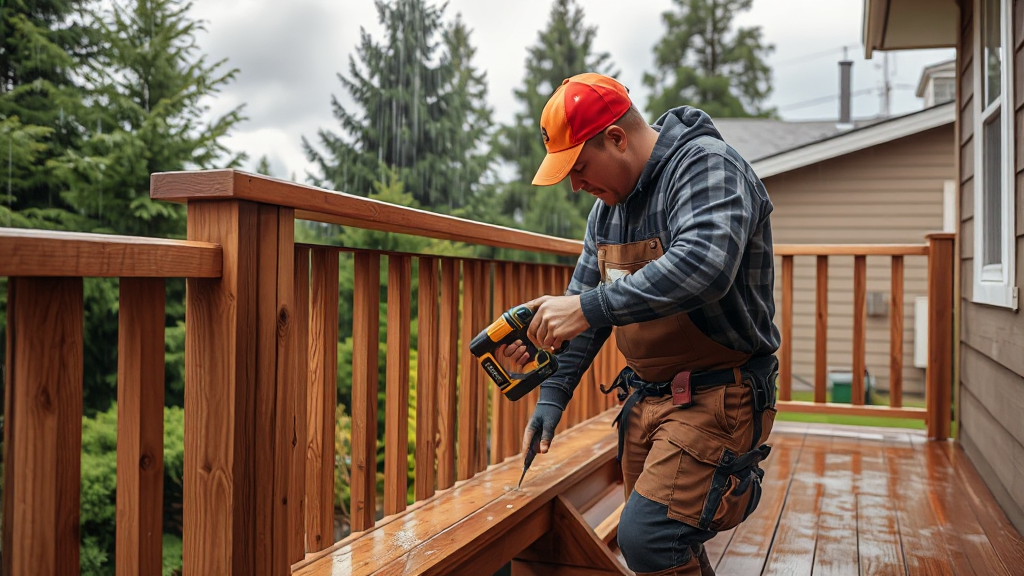
Smart Ways to Use a Handyman in Seattle for Home Maintenance
Seattle’s unique climate—think rain, moisture, and occasional windstorms—means your home is constantly working against the elements. From moss on the roof to peeling paint on window sills, there’s always something that needs attention. But you don’t need to tackle every project yourself or hire a specialized contractor for each tiny fix. A reliable handyman seattle 450 38 can handle a wide range of maintenance tasks, saving you time, stress, and often money. In this guide, we’ll explore practical ways to make the most of a professional handyman service, what to expect, and how to prioritize projects for year-round home care.
Why a Handyman Is Essential for Seattle Homeowners
Seattle homes are as diverse as its neighborhoods—from historic craftsman bungalows in Ballard to modern townhomes in Capitol Hill. Each property comes with its own set of maintenance quirks. A general handyman is uniquely positioned to help because they bring a broad skillset that includes carpentry, painting, drywall repair, plumbing basics, and more. Instead of coordinating multiple contractors for a small to-do list, you can hire one person who can knock out several tasks in a single visit.
Moreover, the Pacific Northwest’s damp environment can accelerate wear and tear. Decks need regular sealing, gutters require frequent cleaning, and exterior trim often needs repainting. A handyman who understands local building conditions can proactively address these issues, preventing costly water damage down the road. By establishing a relationship with a trusted professional, you ensure your home remains safe, comfortable, and visually appealing throughout the year.
Top Projects a Handyman Can Handle
One of the biggest misconceptions is that handymen only do minor repairs. In reality, they can manage a surprising variety of projects. Here are some common tasks that a professional handyman in Seattle can efficiently complete:
- Drywall repair: Fixing holes, cracks, or water stains, including texturing and painting.
- Painting: Interior and exterior painting, from a single accent wall to the whole house.
- Deck maintenance: Power washing, staining, sealing, and minor board replacement.
- Gutter cleaning and repair: Removing leaves and debris, resealing joints, and adjusting downspouts.
- Fixture installation: Installing ceiling fans, light fixtures, towel bars, and shelving.
- Door and window repairs: Fixing sticking doors, replacing weatherstripping, and adjusting hinges.
- Flooring: Installing laminate or vinyl plank flooring, or repairing existing hardwood.
- Furniture assembly: Putting together flat-pack furniture, mounting TVs, and hanging artwork.
This list is not exhaustive, but it illustrates the breadth of what a handyman can do. Before you start a project, consider whether it requires a specific license (like major electrical or structural work) or if a general handyman is sufficient. For most routine maintenance, a skilled handyman is more than capable.
How to Choose the Right Handyman in Seattle
Selecting the right professional is critical to a positive experience. Start by asking for recommendations from neighbors, friends, or local community groups. Online reviews and ratings on platforms like Yelp or Angi can also provide valuable insights. When you have a few candidates, check their credentials—most reputable handymen are insured and bonded, which protects you and your property.
Another key factor is communication. A good handyman will listen to your needs, offer honest advice, and provide a clear estimate before starting work. They should also be transparent about their schedule and any potential challenges. Don’t hesitate to ask for references or examples of similar work they’ve completed. A professional who takes pride in their craft will gladly share their portfolio.
Pricing is important, but it shouldn’t be your only criterion. Extremely low bids often indicate lower-quality materials or rushed workmanship. Instead, look for a fair, competitive price that aligns with the scope of work. Remember, you’re investing in the longevity of your home—a quality job now can prevent expensive repairs later. For a dependable option, consider a service that has a proven track record in the Seattle area, like handyman seattle 450 38.
Seasonal Maintenance Checklist for Seattle Homes
Staying ahead of maintenance is easier when you have a seasonal plan. Here’s a checklist that a handyman can help you tackle throughout the year:
Spring
- Inspect roof for missing shingles or moss buildup.
- Clean gutters and downspouts after winter storms.
- Check exterior paint for peeling or blistering.
- Service your deck—clean, sand, and apply a fresh coat of sealant.
- Test outdoor faucets and irrigation systems for leaks.
Summer
- Repaint exterior trim or siding if needed.
- Pressure wash walkways, patios, and driveways.
- Inspect windows and doors for drafts or damaged seals.
- Trim trees and shrubs away from the house.
- Lubricate garage door tracks and hinges.
Fall
- Clean gutters again to prepare for heavy rain.
- Check weatherstripping around doors and windows.
- Inspect foundation for cracks or water intrusion.
- Drain and store outdoor hoses, and shut off exterior water.
- Service your heating system if you haven’t already.
Winter
- Monitor for ice dams and roof leaks.
- Check attic insulation and ventilation.
- Test sump pump and ensure it’s working.
- Inspect for drafts and seal any gaps.
- Schedule interior repairs that you’ve been postponing.
By following this checklist, you can catch small issues before they become major headaches. A handyman can perform many of these tasks during a single visit, making it efficient to maintain your home year-round.
Cost Expectations and Value of Professional Handyman Services
One of the most common questions is, “How much does a handyman cost in Seattle?” Rates vary depending on the complexity of the job, materials needed, and the professional’s experience. Generally, you can expect to pay an hourly rate between $50 and $100, with a minimum charge for small jobs. Some companies offer flat-rate pricing for specific tasks, which can be helpful for budgeting.
While it might be tempting to DIY to save money, consider the value of your time and the risk of mistakes. A professional handyman brings tools, expertise, and efficiency. They can often complete a task in half the time it would take you, and they’ll do it right the first time. Plus, many handymen offer a warranty on their workmanship, giving you peace of mind. When you factor in the cost of buying or renting tools, purchasing materials, and your own labor, hiring a professional is often the smarter financial choice.
For larger projects, a handyman can also help you prioritize tasks based on urgency and budget. They can provide a detailed quote and work with you to phase the work over time if needed. This flexibility is especially valuable for homeowners who want to improve their property but have budget constraints.
Frequently Asked Questions
What is the difference between a handyman and a contractor?
A handyman is a generalist who can perform a wide range of small to medium repair and maintenance tasks. A contractor is typically licensed for specific trades, such as electrical, plumbing, or general construction, and often handles larger projects that require permits. For most routine home maintenance, a handyman is sufficient and more cost-effective.
Can a handyman help with emergency repairs?
Many handymen offer emergency services, but it’s best to ask about their availability. For urgent issues like burst pipes or electrical hazards, you may need to call a specialized emergency service. However, for non-life-threatening problems like a broken garage door spring or a leaking faucet, a handyman can often respond quickly.
How do I prepare for a handyman visit?
Clear the work area of any clutter or personal items. Make a list of all the tasks you’d like done, with detailed descriptions and any specific preferences. Ensure that utilities like water or electricity are accessible if needed. Being prepared helps the handyman work efficiently and reduces the chance of miscommunication.
Are handyman services insured?
Reputable handyman companies carry liability insurance and sometimes bonding. This protects you in case of accidental damage or injury. Always verify insurance coverage before hiring. Ask for proof of insurance and check that it’s current.
How often should I schedule maintenance?
It’s recommended to have a professional inspection and maintenance visit at least twice a year—once in spring and once in fall. This allows you to address seasonal issues and prepare for the next weather change. Some homeowners prefer a quarterly check-in to stay on top of minor repairs.
Conclusion
Owning a home in Seattle comes with its own set of rewards and responsibilities. By leveraging the skills of a professional handyman, you can maintain your property’s value, prevent costly damage, and enjoy a comfortable living space without the stress of DIY mishaps. From seasonal maintenance to unexpected repairs, a trusted handyman is an invaluable partner. Whether you need help with a single task or a comprehensive maintenance plan, consider reaching out to a reputable service like handyman seattle 450 38 to keep your home in top shape. With the right help, you’ll have more time to enjoy all that the Emerald City has to offer—rain or shine.
Readers who are interested in this topic will benefit from exploring multiple perspectives and understanding the nuanced approaches that industry leaders recommend. Taking time to research thoroughly ensures better outcomes and more informed decision-making.
Those looking to gain deeper knowledge in this area should consider following expert analysis, staying updated with the latest developments, and engaging with professional communities where these topics are discussed in detail.
A comprehensive understanding of this subject requires looking at both theoretical foundations and practical applications. By combining study with hands-on experience, learners can develop a well-rounded perspective that serves them well in real-world scenarios.
As the landscape continues to shift and evolve, staying informed about emerging trends and best practices becomes increasingly valuable. This ensures you remain competitive and capable of adapting to new challenges as they arise.
